
First Aid is an important skill for everyone, but especially for childcare providers. The ability to respond quickly and effectively in an emergency is critical because unintentional injuries (such as burns, choking, drowning, falls, and poisoning) are the leading cause of death for Australian Children.
Each year, an estimate of over 150 children age 15 and below die from unintentional injuries and over 68,000 are treated in the ER for nonfatal injuries, according to the Child Accident Prevention Foundation of Australia.
Injuries do happen despite our best prevention efforts. Children are naturally curious and inquisitive, which often leads to unwanted accidents. As a childcare provider, the best way to handle unintentional injuries is to be prepared before it happens.
Here are six essential first aid skills and techniques you should know as a childcare provider.
1. CPR for Children
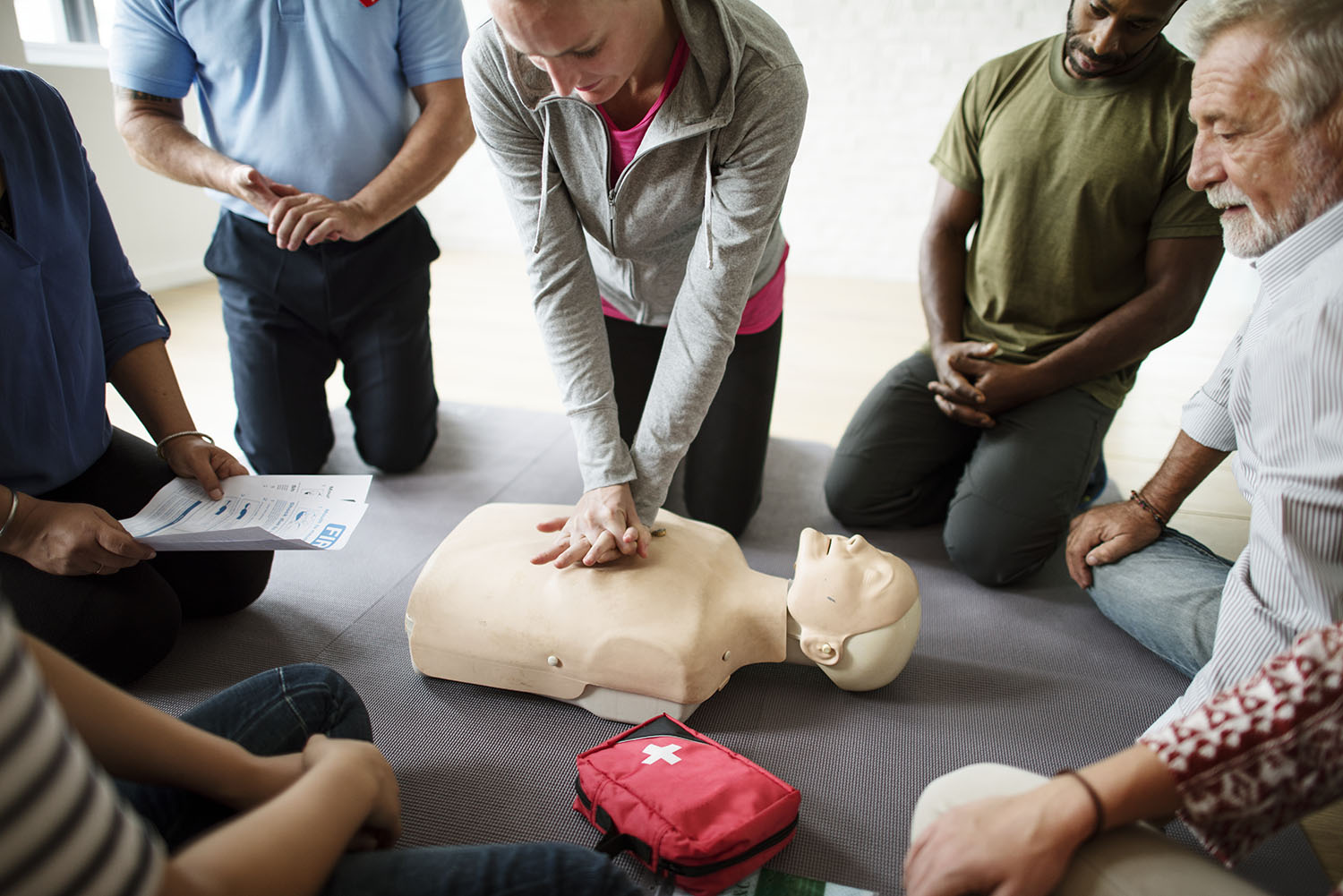
CPR for children is slightly different than resuscitation for adults. Children’s chests are shallower which means they require shallower compressions than adults do. If you are working in an environment with kids, it is a good idea to know CPR for children. It involves doing rescue breathes and chest presses until an ambulance arrives.
2. The Heimlich maneuver
Choking is a common cause of injury and death in children, primarily because they have smaller airways which are easily obstructed by food and small object. If the child is coughing loudly, having a hard time talking and may turn gray or blue, there’s a good chance that they’re choking.
Heimlich Maneuver can help the clear the airway by getting the food and object out. Make sure that the child is choking before performing the Heimlich Maneuver.
3. First Aid for Wounds
Scrapes and cuts are a fact of life for most children 12 years old and below. Basic first aid for wound treatment involves how to stop the bleeding, ice a swelling, treat eye wound and deal with splinters.
4. Treating broken bones
If your child is in a lot of pain, has swelling in the injured area, throws up, or feels light-headed after an injury, a bone may be broken. A childcare provider must know what to do to keep the child stable and treat shock while waiting for the ambulance to arrive.
4. First Aid for Allergic Reaction
When a child is having a severe allergic reaction, he or she may develop a rash, itchiness, or swelling on the body. An allergy attack can also slow down their breathing which demands urgent medical assistance. When caring for children, do a background check by asking their parents on their allergies. Learn how to identify the signs of an allergic reaction, how to treat anaphylaxis and other life-threatening allergic reactions.
6. Asthma care
Some children have few day-to-day asthma symptoms, but others have severe asthma attacks now and then. Knowing the risk factors, the symptoms, and asthma first aid can make a difference in helping a child with asthma.
A child’s life may depend on your skills and knowledge in handling emergencies. It’s best to look for a training course that focuses on infant and children first aid. HLTAID004 or the Provide an Emergency First Aid Response in An Education and Care Setting is the perfect course for anyone who is working or planning to work in the childcare industry.
First Aid Training needs to be refreshed and repeated on a regular basis so you can keep current about what to do in an emergency.
 Health and Tech